Understanding LED Strip Lighting Systems: From Custom Designs to Reliable Power Solutions

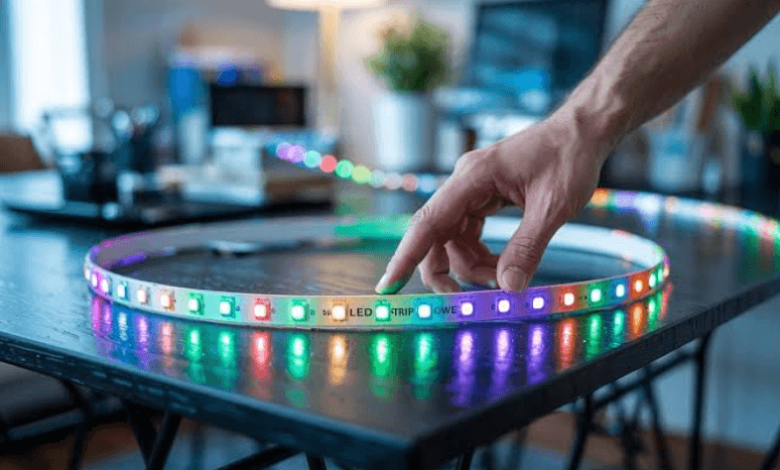
LED strip lighting has become a practical choice for many modern lighting projects because of its flexibility, efficiency, and wide range of applications. From residential interiors to commercial spaces, these lighting systems help create functional and decorative environments while using less energy compared with many traditional lighting options.
The development of LED technology has made it possible to design lighting solutions for different requirements. Businesses, designers, and homeowners can now select LED strips based on brightness, voltage, waterproof protection, and installation conditions. Understanding these factors helps create lighting systems that perform reliably over time.
The Growing Applications of LED Strip Lighting
LED strip lights are used in many areas because they can be installed in spaces where conventional lighting may not be suitable. Their flexible design allows them to fit around corners, narrow areas, and unique structures.
In residential environments, LED strips are commonly used for cabinet lighting, ceiling decoration, furniture lighting, and home improvement projects. Commercial spaces often use them for display areas, signs, shelves, and architectural features. Outdoor applications include pathway marking, building outlines, and decorative lighting for events.
Different applications require different LED specifications. For example, indoor decorative projects may focus more on appearance and color options, while outdoor installations need stronger protection against moisture and environmental conditions.
Important Factors When Selecting LED Strip Lights
Choosing the right LED strip requires attention to several technical details. Voltage is one of the most important factors because it affects installation length and performance. Common options include 12V and 24V systems, with 24V strips often preferred for longer installations because they experience less voltage drop.
Brightness is another important consideration. The number of LEDs per meter, LED type, and power consumption determine the final lighting effect. Waterproof ratings also matter when LED strips are installed in areas exposed to humidity or water.
For example, IP65 and IP68 waterproof LED strips are designed for different levels of protection. IP68 options provide stronger water resistance and can be used in more demanding environments where moisture protection is required.
The Role of Experienced LED Manufacturers in Lighting Projects
A reliable manufacturing partner can help businesses select LED solutions that match specific project needs. Manufacturers with technical knowledge can support customization related to LED density, strip length, PCB design, voltage requirements, and waterproof structures.
Shenzhen Dekingled Co., Ltd. was established in 2014 and focuses on LED lighting products, including flexible LED strips and related components. The company provides solutions covering different lighting requirements, including customized designs and technical support.
When working with a Custom LED Strip Manufacturer, businesses can better manage product specifications for different applications. Customized options may include LED color combinations, cutting lengths, brightness levels, and protective coatings. These choices allow lighting systems to match specific installation environments instead of relying on standard solutions only.
Understanding the Importance of LED Power Systems
LED strips require a stable power source to maintain consistent brightness and safe operation. Selecting an unsuitable power supply can lead to problems such as uneven lighting, reduced lifespan, or performance issues.
The power supply must match the LED strip’s voltage and wattage requirements. For example, a 24V LED strip requires a compatible 24V power solution. Proper calculation of power consumption also helps prevent overheating and improves system reliability.
LED products from Shenzhen Dekingled Co., Ltd. include various options such as 5050 LED strips, 3528 LED strips, 2835 LED strips, COB LED strips, and silicone neon lights. These products are designed for different applications, from decorative lighting to architectural projects.
Choosing the Right Power Supply for LED Applications
The power supply plays a key role in maintaining the performance of an LED lighting system. Different environments require different power solutions. Indoor projects may use standard power supplies, while outdoor installations often need waterproof options.
Working with an experienced LED Power Supply factory helps ensure that power components are selected according to lighting requirements. Proper matching between LED strips and power supplies improves efficiency, reduces installation problems, and supports stable operation.
A complete LED system requires both quality lighting components and suitable electrical support. Incorrect power selection can affect brightness levels and may create unnecessary maintenance requirements in the future.
Quality Control and Product Performance
LED lighting products need careful testing to maintain consistent quality. Manufacturing processes usually include checks for electrical performance, brightness output, durability, and safety standards.
For instance, 5050 LED strips may include features such as 300 LEDs per 5 meters, maximum power of 17W per meter, and waterproof options including IP65 and IP68 protection. These specifications make them suitable for applications such as cove lighting, architectural lighting for corridors and windows, signage backlighting, and decorative installations.
Other LED solutions, such as COB LED strips, provide uniform lighting without visible light spots. This makes them suitable for projects where a smooth and continuous lighting effect is required.
See also: IEP vs 504: A Plain-Language Guide for Parents Just Starting the Process
Future Development of LED Strip Technology
LED technology continues to develop with improvements in energy efficiency, smart controls, and flexible designs. Features such as RGB color adjustment, touch controllers, and improved waterproof structures provide more options for modern lighting projects.
Free-cutting COB LED strips are also gaining attention because they solve installation challenges in areas requiring precise measurements. Their uniform illumination and flexible cutting options make them suitable for detailed lighting designs.
As lighting requirements become more specialized, selecting the correct combination of LED strips and power components becomes increasingly important. Proper planning helps create lighting systems that provide reliable performance and meet project expectations.
Conclusion
LED strip lighting systems combine flexibility, efficiency, and design possibilities for various applications. Understanding LED specifications, voltage requirements, waterproof ratings, and power supply compatibility helps users make better decisions for their projects.
With suitable components and careful planning, LED solutions can support residential, commercial, and architectural lighting needs while maintaining stable performance and long-term usability.